Metal RV Covers for Sale
Protect your motorhome, camper, or travel trailer with a customizable metal RV cover. Compare available designs based on your vehicle’s dimensions, height, and clearance needs.

Quality Metal Buildings, Built On Faith
Protect your motorhome, camper, or travel trailer with a customizable metal RV cover. Compare available designs based on your vehicle’s dimensions, height, and clearance needs.
Showing all 7 results

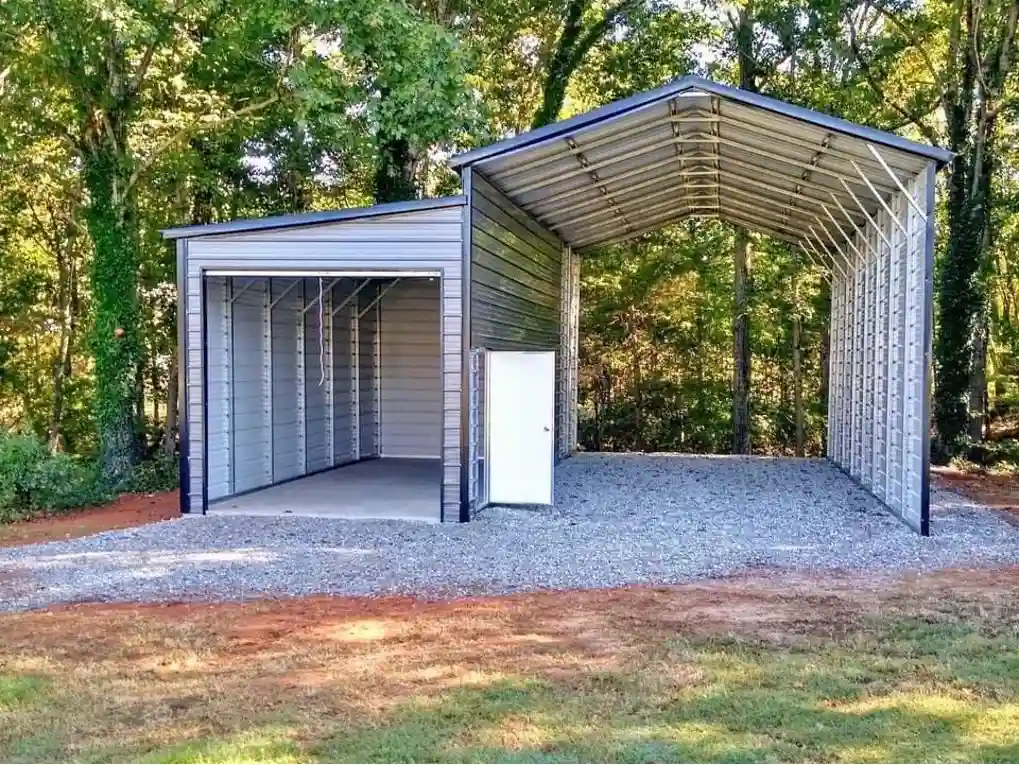
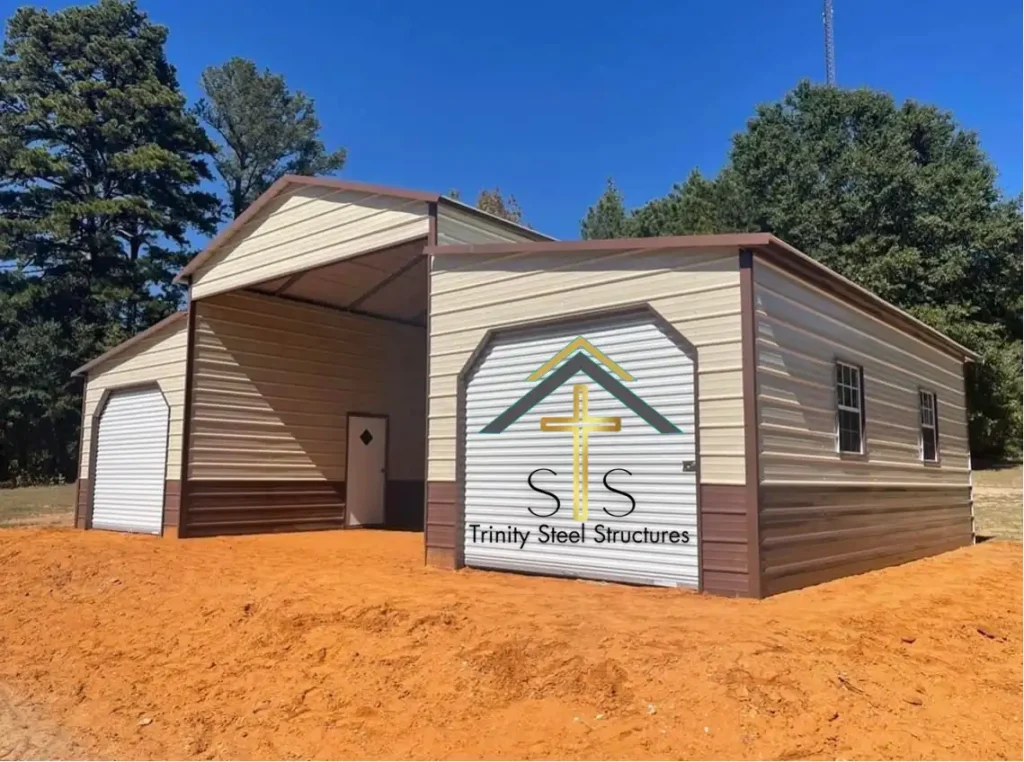
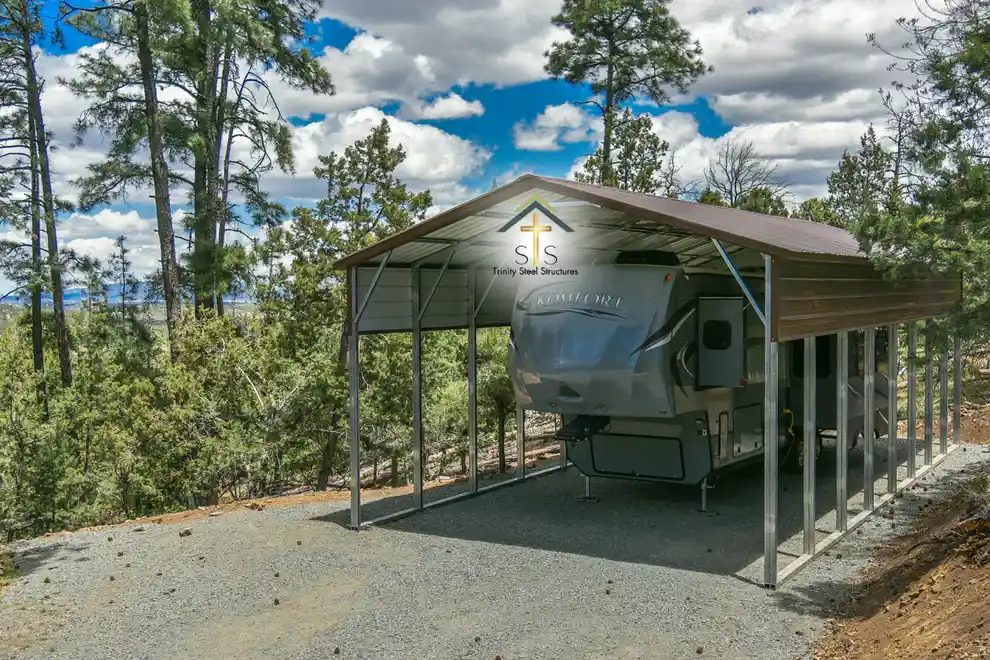
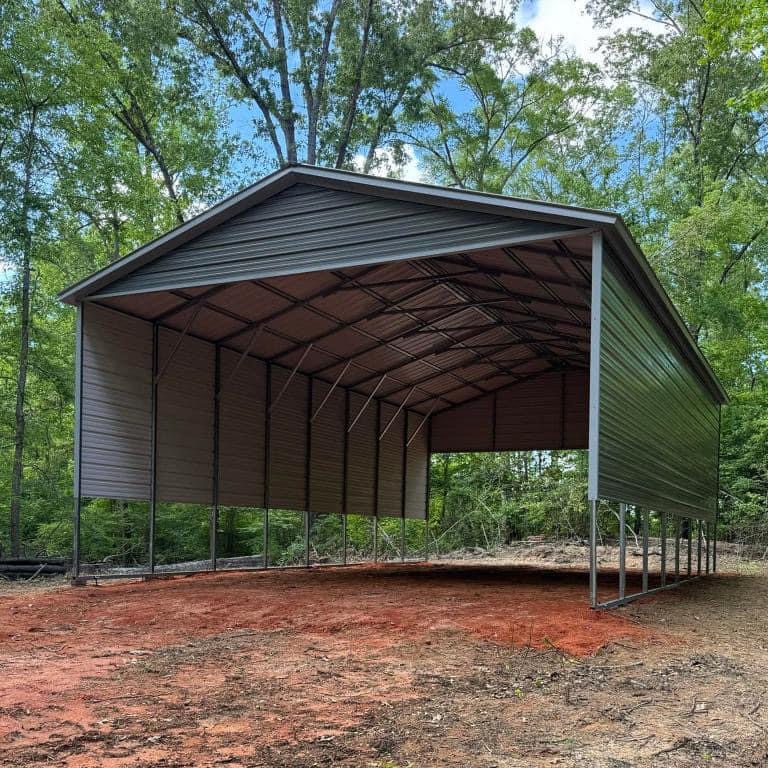
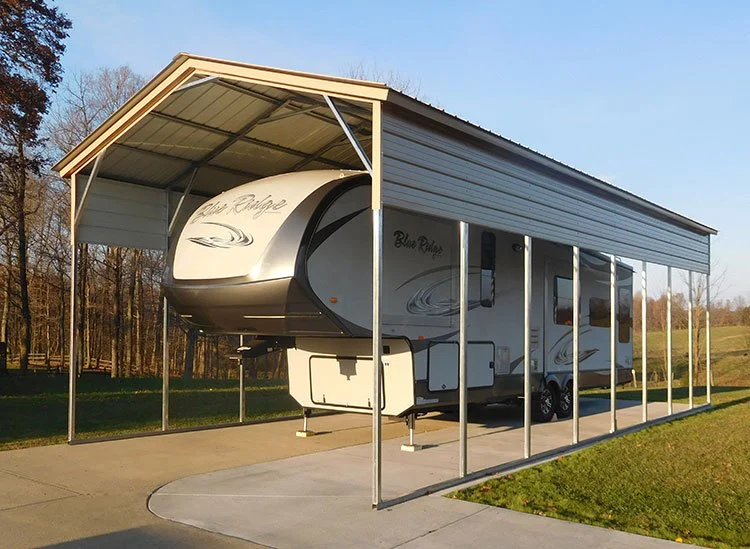
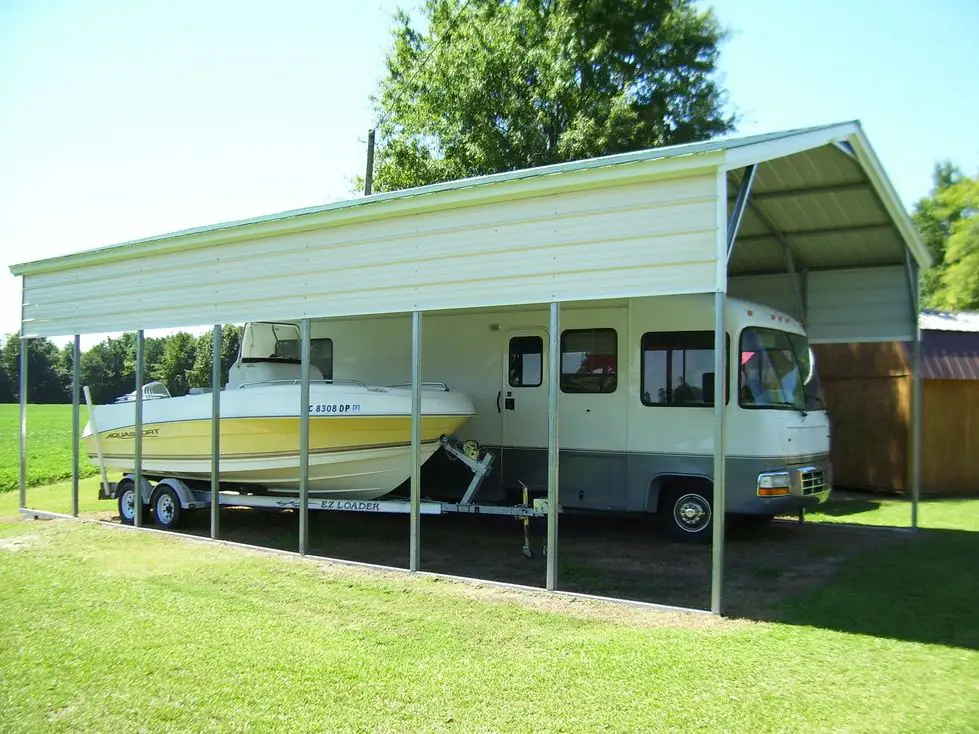
Many RV owners spend good money on their rig and then leave it sitting outside season after season. Sun breaks down the seals, rain finds its way into the seams, and one rough winter can do real damage to a roof that was never meant to carry that kind of load. Fabric and vinyl covers wear out, blow off, and need replacing. A steel RV cover is a A steel RV cover provides a durable, long-term structure for protecting an RV on your property.
At Trinity Steel Structures, we're a family-owned company that takes the time to understand what you need before we build anything. Every cover is sized to your rig, engineered to meet local weather standards, and designed with your input from the start. If you have questions about sizing or what to expect from the process, our team has answers.
Metal RV covers are a practical solution for a wide range of owners, whether you're protecting a single rig or looking for covered space for multiple vehicles.
Getting the right structure starts with understanding your options. Metal buildings are highly customizable, and our team will guide you through every decision so the final build fits your vehicle, your property, and your budget.
You will want to measure your RV's full length, including the hitch; its width, with enough clearance on each side for comfortable entry and exit; and your roof height, including any AC units, antennas, or solar panels.
Most of our RV covers start at 20 feet and go well beyond 40, with clearance heights from 12 feet up to accommodate taller coaches and fifth wheels.
Sides can be left fully open for easy drive-through access, partially enclosed on two or three sides to reduce wind and blowing rain, or fully enclosed with a roll-up door for a lockable RV garage right on your property.
On the exterior, you can choose from a wide range of panel and trim colors to match your home or existing outbuildings. Roof, walls, and trim can all be mixed and matched, so the finished structure looks like it was always meant to be there.
Based in Mount Airy, North Carolina, our coverage area extends across most of the continental United States. We have deep roots in the Southeast, but partner with trusted regional manufacturers to serve customers well beyond that.
Delivery and professional installation are included, and our team handles the setup from start to finish. We also offer financing options to help make your project more accessible.
Browse the RV covers above, or take the next step when you’re ready, whether that’s starting your layout in the 3D Builder or requesting a quote.
We’re here to help you make a decision that fits your space and how you plan to use it.
The right RV cover size depends on the full length, width, and height of your RV, including anything that extends beyond the main body of the vehicle.
Measure the RV from its longest points and account for mirrors, slide-outs, hitches, ladders, and other projections. You should also allow enough space around the RV for comfortable parking, walking, opening doors, and accessing storage compartments.
If you may eventually replace your RV with a larger model, consider that future clearance when choosing the structure.
An RV cover should provide enough vertical clearance for the highest point of the vehicle, including roof-mounted equipment such as air-conditioning units, antennas, vents, satellite equipment, or solar panels.
Do not select the cover height based only on the manufacturer's listed vehicle height. Measure the RV as it is actually configured and allow additional clearance for entering, exiting, and positioning the vehicle beneath the structure.
The appropriate height can also depend on the building design and roof configuration.
Allow enough clearance to safely drive the RV into the structure and comfortably access the vehicle once it is parked.
Consider:
A wider or longer structure may provide more flexibility than designing the cover around the RV's exact dimensions.
Yes. Depending on the selected building, an RV cover may be configured as an open structure or with partial or enclosed sides for additional protection and privacy.
Available options may include partial side panels, enclosed walls, gable ends, lean-tos, doors, and other building features. The right configuration depends on your vehicle, property, climate, access requirements, and intended use.
Confirm all enclosure options as part of the final building design before ordering.
The appropriate roof style depends on the structure size, local weather conditions, appearance preferences, and available building options.
Vertical-roof designs are commonly selected for larger RV covers because the panel orientation helps rain, snow, leaves, and debris move off the roof more efficiently. Other roof styles may also be available depending on the building and installation location.
Trinity can help you compare available roof configurations for your project.
Foundation and anchoring requirements depend on the RV cover design, property conditions, installation surface, manufacturer requirements, and local regulations.
Some metal RV covers may be installed on an appropriately prepared concrete, asphalt, gravel, or other approved surface, depending on the project. The installation area must be level and prepared for the anchoring system required by the building.
Confirm the final building specifications and site requirements before completing concrete or other site work.
Permit and zoning requirements vary by property location, structure size, placement, and local regulations.
Local requirements may address setbacks, structure height, foundation or anchoring specifications, wind or snow loads, HOA restrictions, and other property-specific conditions.
Contact the appropriate local authority before ordering or beginning site work to confirm what applies to your property.
Yes. Delivery and professional installation are included with qualifying Trinity RV cover orders within confirmed service areas.
Project requirements can vary based on the delivery ZIP code, building specifications, manufacturer or installer coverage, site access, and site readiness. Concrete, grading, permits, utilities, and other site-specific work may be separate unless specifically included in the agreement.
Trinity can confirm the complete project scope before your order is finalized.
Our team is dedicated to providing you with first-rate customer service.
Copyright © 2026 Trinity Steel Structures - All rights reserved. | Sitemap | Privacy Policy
Metal Building Web Design + Metal Building Digital Marketing by TheeDigital